The Growing Need for Better Waste Handling
We deal with waste every day. Waste comes from homes, from shops, from factories, and from the places around us. Waste may be food, plastic, paper, glass, packaging, or waste from work. The amount of waste keeps growing as more people, more businesses, and more industries grow. When everything is thrown together it becomes difficult to pick out materials that can still be used. Keeping types of waste from the start makes collection and sorting much easier and helps save recyclable materials.
Moving Beyond Conventional Disposal
Waste management is changing little by little. It’s not about collecting trash and dumping it somewhere anymore. Now sorting waste at the source. Like, in homes, schools, or offices. Makes recycling much simpler. When paper, plastic, metal, glass, and food scraps are properly separated, each can be processed the way. This helps cut down on how much waste we create overall. It also improves the chance of getting materials back. Doing it this way keeps everything cleaner. It means less stuff ends up being seen as completely useless.
Converting Waste into Resources
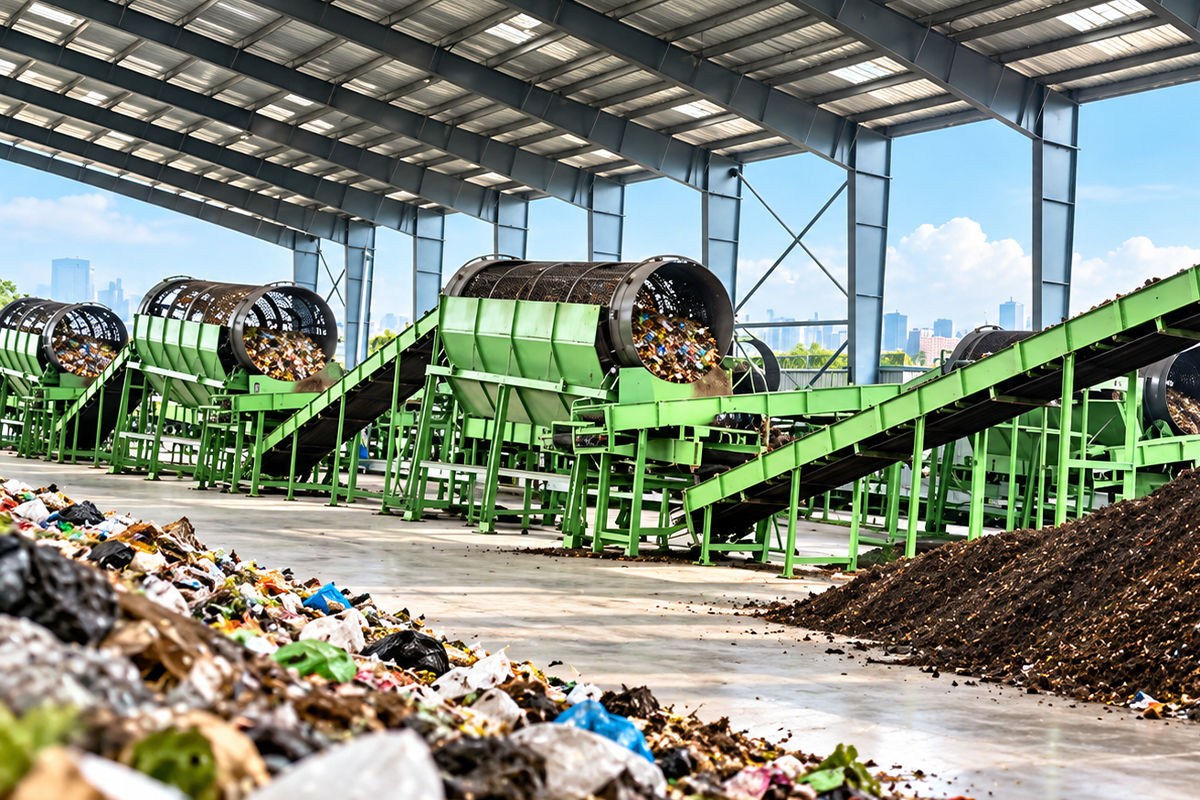
I have noticed a change in how waste's managed. This change is about getting resources back, from what we used to throw away.In this way waste turns into compost. Recyclable things are. Sent off to be reused or processed again.Different kinds of waste need systems. Screening and separation tools can sort materials by size, weight, or what they are made of.Sometimes something that seems useless at first glance can still be helpful if it is separated the right way.By seeing everything as a resource of just trash, this method gives old materials a new life.
Improving Processing Through Suitable Equipment
Large-scale waste handling always involves steps. First waste must be moved before waste can be screened, sorted, processed, or recovered. Doing these tasks by hand can take a lot of time and effort, especially when the amount of waste is high. The right equipment can help these tasks run smoothly and reduce the amount of work. The equipment that is needed depends on the type of waste, how much waste must be processed, the space that's available, and the final outcome that is expected. When the system is planned well, every stage can work together efficiently. This also makes it easier to keep track of the movement and processing of waste.
Creating a More Practical Waste Management System
A better waste management system is not about using machines or adding more steps. It starts with planning and consistent waste separation. When people separate waste from the beginning, everything that comes after becomes much easier. Businesses, factories, and neighborhoods all gain when they have ways to collect, sort, store, and process waste. Keeping equipment in shape and following safe handling practices makes sure the system runs without breaks. Even small changes at every part of the process can add up. These little improvements can lead to a difference overall.
Conclusion
The idea behind Waste to Worth: Rethinking the Future of Solid Waste Management is about changing how we think about waste. It is about seeing discarded materials not simply as something to throw away, but as resources that can be used again. When people separate waste properly, recover materials, recycle and compost waste, and handle everything responsibly, these materials can stay in use for longer. This approach helps keep the environment cleaner, reduces the need for landfills, and supports more efficient resource recovery. By adopting responsible Solid Waste Management practices, communities and industries can create a cleaner, more sustainable future while making better use of valuable materials.