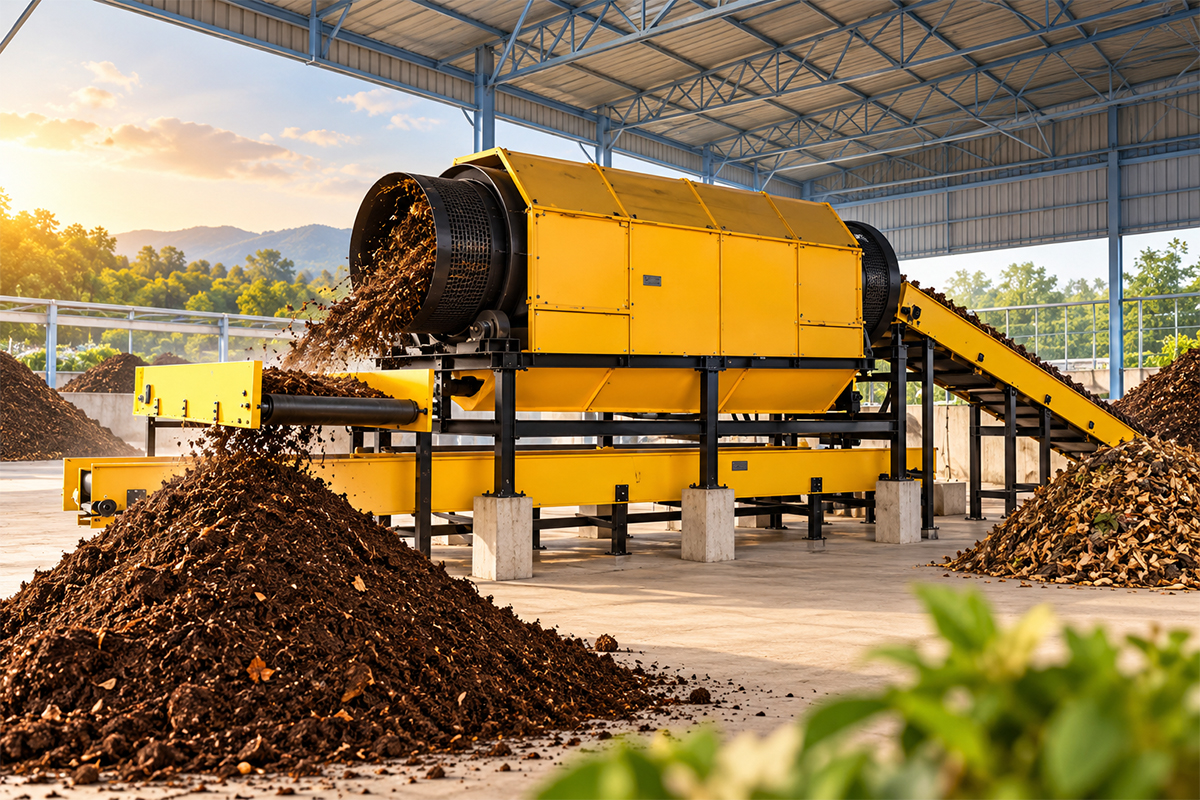
Understanding Windrow Composting
Organic waste, from farms, food processing units and municipal areas can cause problems if it is not handled properly. Composting turns this waste into a valuable material. Window composting is a way to manage amounts of waste.
In this process organic materials are placed in rows. Left to break down under the right conditions. Waste left to break down under the conditions. Frequently turning the rows. Keeping the moisture level steady keeps waste breaking down.
The Role of Modern Composting Systems
Easier Waste Processing
Handling a lot of waste by hand takes a lot of time and energy. I have seen how modern windrow composting machines make it easier for workers to move organize and flip the waste. This reduces repeated work. It makes daily tasks much easier, for farms and places that handle waste.
Better Airflow for Decomposition
I find that microorganisms need oxygen to break down materials. Microorganisms need oxygen to break down materials.If compost piles get too tight air flow gets. Breaking down of materials can get slower. Using turning equipment mixes the waste. Lets new air get to different areas of the pile, which helps keep the right conditions, for composting.
Improved Moisture and Temperature Control
Moisture is very important when making compost. Temperature is also very important. I have seen that when waste dries out moisture levels go down. Moisture breakdown slows. I have seen that when there is too much moisture airflow is blocked and unpleasant odors appear.
I have found that checking moisture and temperature on a basis helps the person who is, in charge spot problems early. Checking the compost as needed keeps the compost healthy.
More Consistent Compost Quality
Organic waste has types of materials that break down at different rates. Turning the pile regularly helps mix all the materials. This also helps spread moisture through the pile. This also helps move water through the layers. Watching the composting process allows the workers to know when the organic waste has fully broken down and is ready to use on farms or, in gardens.
Better Use of Labour and Space
Large composting facilities need planning to manage the waste that comes in. They also need to handle the turning of the compost and process the compost. Using machines makes the work easier. Helps workers manage the compost rows more effectively.
Having space between the rows of compost makes it simpler for machines to move around and do the jobs. Good planning also helps the facilities use the land and resources they have in the best way possible.
Where Windrow Composting Is Useful
I notice that Windrow composting works, with farm leftovers, garden clippings, food scraps and other things that break down naturally. The Windrow composting set‑up can be changed to fit how waste you have how much space you can use and what kind of machines you own.
Before you start windrow composting get rid of any junk that does not decompose. Then keep the windrows in air flow and the right amount of wetness. These steps are key to windrow composting that turns into fertile soil.
Conclusion
Modern windrow composting systems make it easier to handle waste. They help with moving materials, turning the piles often and making sure there is airflow. When the right tools are used and things are checked often places can turn waste into compost. This method sends less organic waste to landfills. It keeps the environment cleaner. Uses materials that would have been thrown away. Effective wind row waste management helps with trash disposal. It also helps us use things in a useful way.